
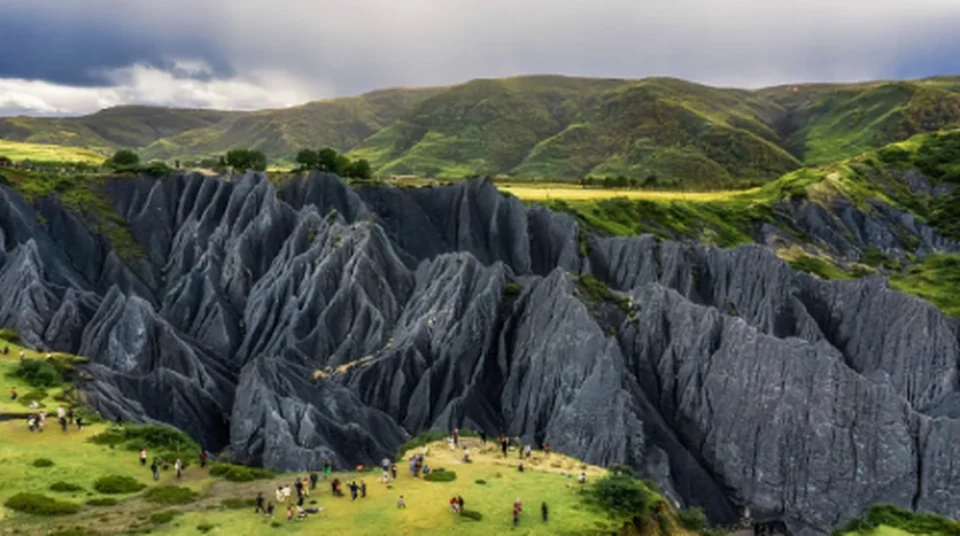
Western Sichuan is one of the most powerful travel regions in China, but it is also one of the easiest places to plan badly. The landscapes are immense: snow mountains, grasslands, Tibetan villages, monasteries, high passes, river valleys and seasonal colour. Names such as Daocheng Yading, Seda, Tagong, Xinduqiao, Danba and Mount Siguniang attract travellers because they feel remote and cinematic. Yet the same qualities that make the region beautiful also make it demanding. Altitude, distance, weather, road conditions and limited services all shape the journey.
This guide explains how to plan a high-altitude western Sichuan trip responsibly. It is written for international travellers, private groups and travel advisors who want the experience to be memorable for the right reasons. It covers route design, acclimatisation, seasonality, vehicle time, hotels, packing, photography, health considerations and common mistakes. It is not medical advice, and travellers with health concerns should speak with a qualified doctor before entering high-altitude areas.
What “western Sichuan” means for travellers
Western Sichuan usually refers to the Tibetan areas and mountain routes west and northwest of Chengdu. The exact route can vary widely. Some itineraries focus on Mount Siguniang and Danba. Others move through Kangding, Xinduqiao and Tagong. Longer journeys may continue toward Seda or Daocheng Yading. These places are culturally and geographically different from Chengdu, Leshan or Chongqing. The pace is slower, distances are larger, and the environment requires more respect.
For travellers used to compact city breaks, western Sichuan can be surprising. A day may include hours of driving, a high pass, a monastery visit, sudden weather changes and a simple town overnight. The reward is a sense of scale that cannot be found in lower cities. The trade-off is that comfort and flexibility must be planned in advance.
Altitude should guide the itinerary
The first rule of western Sichuan planning is simple: do not design the route only by attractions. Design it by altitude and driving time. Travellers often arrive from Chengdu, which is much lower, and move quickly toward high overnight stops. Some people adapt easily; others feel headaches, poor sleep, nausea or fatigue. The risk is not only discomfort. Altitude can affect decision-making, mood and the ability to enjoy the scenery.
The route should climb gradually where possible, avoids the most demanding walk immediately after a long transfer, and keeps the first highland days realistic. It also gives travellers permission to skip a viewpoint or shorten a walk if they feel unwell. In private travel, this flexibility is one of the biggest advantages. The best itinerary is not the one that proves toughness. It is the one that keeps people safe enough to enjoy the place.
How many days do you need?
For a focused Mount Siguniang and Danba route, five to seven days from Chengdu can work, depending on interests and road conditions. For Tagong, Xinduqiao and Kangding, a similar length can create a strong introduction. Seda or Daocheng Yading usually requires more time. A deep western Sichuan journey often needs eight to twelve days, and a combined Chengdu, western Sichuan, Jiuzhaigou and Chongqing trip can easily require two weeks.
Trying to compress western Sichuan is the most common mistake. Long drives at altitude are tiring even when the scenery is beautiful. One-night stays are sometimes necessary, but too many in a row create fatigue. If you have limited time, choose a smaller loop rather than forcing a famous faraway destination into an uncomfortable schedule.
Seasonality and weather
Late spring, summer and autumn are common seasons for western Sichuan travel. Summer brings green grasslands, flowers in some areas and relatively warmer conditions, although rain and clouds can affect views. Autumn can bring clear air, golden tones and strong photography opportunities. Spring can be quieter but still variable in high areas. Winter can be dramatic but cold, with snow, ice and reduced flexibility on some routes.
Weather is never just a background detail. It affects roads, visibility, walking comfort, hotel heating needs and photography. A route that looks simple in summer may feel very different in winter. Even in warm months, high passes and evenings can be cold. Pack for altitude rather than only for the season name.
Daocheng Yading: beautiful but demanding
Daocheng Yading is often described as one of the most beautiful destinations in Sichuan, and for good reason. The combination of sacred peaks, alpine lakes, meadows and Tibetan atmosphere is worth the travel time when conditions are good. It is also a destination that should be treated with respect. The journey is long, the altitude is serious, and the main scenic experience can require physical effort.
Travellers should not add Daocheng Yading to a short itinerary simply because the photos are famous. It works best for people who have enough days, reasonable fitness, flexibility and interest in highland scenery. If you are travelling with children, older guests or anyone worried about altitude, discuss alternatives. Mount Siguniang, Danba or other western Sichuan areas may offer a better balance for some groups.
Seda, Tagong and monastery routes
Seda and other monastery-focused routes require cultural sensitivity as well as route planning. Access rules, local conditions and visitor arrangements can change, so they should be checked before travel. These journeys are not only about taking photos of red houses or dramatic landscapes. They enter living religious and cultural environments. Dress modestly, follow local guidance, ask before photographing people, and remember that a monastery is not a stage set.
Tagong and nearby grassland areas can be excellent for travellers who want Tibetan atmosphere without going as far as Daocheng. Xinduqiao is often associated with photography and changing light. Danba offers village landscapes and watchtower culture. Mount Siguniang can provide mountain scenery with a route that may be easier to structure than very far western itineraries. The right choice depends on your time and altitude comfort.
Driving time and road comfort
Western Sichuan routes are road-based. Even when distances do not look extreme on a map, mountain roads, passes, weather and traffic can make days long. A comfortable vehicle and experienced driver matter. So does realistic scheduling. A day with six hours of road time plus multiple sightseeing stops may become exhausting, especially above high elevation.
Breaks should be built into the day. They are not wasted time. They help with altitude adaptation, photography, food, toilets and mood. Travellers should also understand that road conditions can change. The best plan includes flexibility rather than assuming every transfer will run exactly as predicted.
Hotels and expectations
Hotel standards in western Sichuan vary by town and season. Some places have comfortable options, while others are simpler. Heating, hot water, breakfast quality, English service and room insulation may not match major city hotels. This does not mean the trip is not worthwhile. It means expectations should be set clearly before booking. A good local operator should explain where comfort is strong and where the route requires compromise.
Choosing hotels only by online rating can be risky because many reviews reflect domestic expectations, location trade-offs or different travel styles. For international travellers, basic details matter: access, heating, cleanliness, oxygen availability where appropriate, food options and driver-guide logistics. After a long highland day, small comfort details become important.
Packing for high altitude
Pack layers, not bulky single-purpose clothing. A base layer, fleece or warm mid-layer, windproof outer layer, hat, sunglasses, sun protection and comfortable walking shoes are useful in many seasons. The sun can be strong at altitude even when the air feels cool. A light rain layer is helpful because weather changes quickly. Lip balm, moisturiser and a refillable water bottle can make the trip more comfortable.
For photography, protect batteries from cold and bring enough storage. For health, carry personal medicines and consult a doctor about altitude if needed. Do not rely on buying everything locally. Some towns have shops, but specific brands or international medicines may not be available. Keep the day bag light and accessible during long drives.
Food and hydration
Highland meals are often simple compared with Chengdu or Chongqing. Expect noodles, soups, yak-related dishes in some areas, local vegetables where available and basic hotel breakfasts. If you have dietary restrictions, communicate them early. Vegetarians and travellers with allergies need clear planning because remote areas may have fewer options. Carry snacks that suit your body and do not depend on finding perfect meals every day.
Hydration is important, but drink steadily rather than forcing too much at once. Avoid heavy alcohol at altitude, especially early in the route. Eat enough even if your appetite changes. Fatigue, cold and altitude feel worse when travellers skip meals. The goal is to keep energy stable, not to make every meal a culinary event.
Photography and responsible travel
Western Sichuan is extraordinary for photography, but responsible behaviour matters. Do not block roads for photos. Do not fly drones where they are not permitted. Do not photograph local people without permission. In religious areas, follow guide instructions and avoid treating prayer, ritual or daily life as a prop. The best photographs often come from patience and respect rather than intrusion.
Light changes quickly in the mountains. A cloudy morning can become a golden afternoon. A pass that looks ordinary in harsh midday light may become beautiful at sunset. Build time for waiting if photography is important, and accept that weather may choose the final image for you.
Common mistakes
The first mistake is climbing too fast. The second is trying to include Daocheng, Seda, Jiuzhaigou and Chongqing in a short trip. The third is choosing the cheapest vehicle or hotel without considering comfort. The fourth is packing for Chengdu weather instead of plateau weather. The fifth is ignoring cultural sensitivity in Tibetan areas. The sixth is treating a route map as a guarantee rather than a plan that must adapt to conditions.
A better western Sichuan itinerary has fewer destinations, better pacing and clearer priorities. If sacred mountains matter most, build around them. If culture matters most, slow down in villages and monasteries. If photography matters most, protect light windows. If comfort matters most, choose a route with stronger hotels and fewer high-stress transfers.
FAQ
Is western Sichuan suitable for first-time China travellers?
It can be, but it is easier with good local planning. First-time travellers should understand altitude, road time and hotel limitations before committing. A city-only itinerary is simpler, while western Sichuan offers greater landscape reward with more complexity.
Can children travel to western Sichuan?
Some family routes can work, especially lower or more moderate areas, but high-altitude destinations require caution. Parents should consider children’s sleep, appetite, ability to communicate discomfort and tolerance for long drives. Medical advice may be appropriate.
Do I need oxygen?
Some hotels or vehicles may provide oxygen support, but oxygen is not a substitute for sensible pacing. Travellers should not use oxygen as a reason to climb too fast or ignore symptoms. Discuss health questions with a doctor before travel.
Which route is best for a first western Sichuan trip?
Mount Siguniang, Danba, Kangding, Xinduqiao or Tagong can make strong introductions depending on season and interests. Daocheng Yading and Seda are more demanding and usually require more time. The best first route balances scenery with comfort.
Western Sichuan is at its best when planned with humility. Let altitude, weather and local culture shape the itinerary. Travel slowly enough to notice the mountains, and the journey will feel far richer than a hurried collection of famous names.
Final planning checkpoint
Before confirming a western Sichuan route, remove one destination from the first draft and see whether the trip becomes better. Very often it does. The extra time can become a slower climb, a better lunch stop, a safer arrival, a second chance for photography or an evening when travellers can simply rest. In high-altitude travel, unused time is not wasted time. It is a safety margin and a comfort tool.
Ask your planner to explain the highest overnight point, the longest driving day, the most demanding walk and the simplest place to shorten the route if needed. If those answers are clear, the itinerary is more likely to work on the ground.