
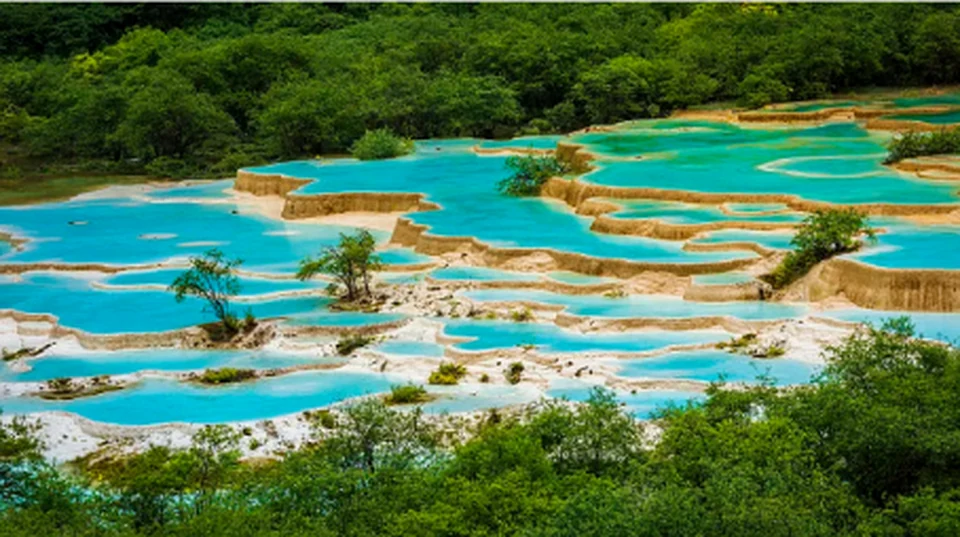
Jiuzhaigou is one of China’s most famous mountain landscapes, but a good trip there requires more planning than simply adding a park day to a Chengdu itinerary. The valley is known for clear lakes, forests, waterfalls, Tibetan villages, seasonal colour and high-mountain atmosphere. It is also a destination where transport, timing, tickets, weather, altitude and crowd management shape the experience. A well-designed Jiuzhaigou journey feels calm and memorable. A rushed one can feel like too much effort for too little time.
This guide explains how to plan Jiuzhaigou for international travellers. It covers how many days you need, when to go, how to think about Chengdu connections, whether to add Huanglong, what to expect inside the park, how to pace photography, what to pack, and which planning mistakes to avoid. It is written as trip-planning notes rather than a fixed package, because the best route depends on season, flight schedules, road conditions, traveller age and comfort level.
Where Jiuzhaigou fits in a Sichuan itinerary
Jiuzhaigou is in northern Sichuan, far from Chengdu’s city rhythm. Many travellers start in Chengdu because it has strong transport, hotels, pandas, food and flexible arrival options. From Chengdu, Jiuzhaigou can be reached by a combination of flights, road transfers or other transport arrangements depending on current schedules and route preferences. The exact best method changes over time, so confirm the latest options before booking.
The most important planning principle is that Jiuzhaigou should not be treated as a quick day trip from Chengdu. The journey into the area, the park visit itself and the possible Huanglong extension all need proper time. If you only have five days for Sichuan and Chongqing, Jiuzhaigou may make the whole trip too rushed. If you have seven to ten days, it becomes much more realistic.
How many days do you need?
The shortest sensible Jiuzhaigou plan usually includes one arrival or transfer day, one full day in Jiuzhaigou National Park, and one onward transfer or Huanglong day. This means three days are needed for the Jiuzhaigou segment itself, not counting your time in Chengdu or Chongqing. A more comfortable plan adds a second night or a buffer, especially for families, photographers or travellers who dislike long travel days.
A seven-day Sichuan route can include Chengdu and Jiuzhaigou if it stays focused. An eight- to ten-day route is better because it can include Chengdu, pandas, Jiuzhaigou, Huanglong when suitable, and perhaps Chongqing or another Sichuan stop. If you also want western Sichuan, do not squeeze everything together. Jiuzhaigou and western Sichuan are both mountain experiences, but they sit in different planning worlds and both deserve time.
Best time to visit Jiuzhaigou
Jiuzhaigou changes dramatically by season. Spring brings fresh colour and a sense of renewal, although higher areas can still feel cool. Summer is green and lively, with fuller water and cooler mountain air compared with Chengdu or Chongqing. Autumn is the most famous season because of colourful forests reflected in blue lakes. Winter can be quieter and atmospheric, with snow and ice creating a different mood.
There is no single perfect month for every traveller. Autumn is visually powerful but popular. Summer is convenient for family holidays but busier and sometimes wetter. Spring can be balanced and pleasant. Winter can be beautiful but colder and less flexible. The right choice depends on whether you care most about colour, fewer crowds, family timing, photography, comfort or route availability.
Should you add Huanglong?
Huanglong is often paired with Jiuzhaigou because it is another major scenic area in the region. It is famous for travertine pools, mountain scenery and a very different landscape style. For many travellers, Jiuzhaigou and Huanglong together create a richer northern Sichuan journey. However, Huanglong sits at a higher elevation, and visitors may feel altitude effects more strongly than in Chengdu or Chongqing.
Adding Huanglong makes sense when the season, transport and traveller condition are suitable. It may not be the right choice for every guest, especially those with altitude concerns, limited time or mobility issues. A good local planner should discuss the pace honestly and offer alternatives if Huanglong is not ideal on your dates. Do not add it only because it appears on a standard list.
What to expect inside Jiuzhaigou
Jiuzhaigou is a large scenic area, and visitors normally use internal transport to move between major sections. The day involves walking, viewpoints, shuttle movement and many photo stops. The lakes can look different depending on light, weather and season. Some places are more crowded than others, so patience matters. The experience is best when you focus on quality of time rather than trying to photograph every named lake.
Even travellers who are not serious hikers should wear comfortable shoes. Paths, steps and boardwalks can still create a long day. Weather can change, and temperatures may feel cooler than expected. Bring layers, water, snacks if allowed under current rules, sun protection and a light rain layer. Keep your main camera or phone ready, but do not experience the entire valley through a screen.
Photography advice
Jiuzhaigou is photogenic, but it rewards patience more than speed. Lake colour depends on sunlight, cloud, angle and season. A viewpoint that looks flat at one moment may become brilliant twenty minutes later. Autumn reflections are famous, but summer greens, winter snow and spring water can also be beautiful. If photography matters, avoid planning a rushed park day with no breathing room.
Bring spare batteries because cold or heavy phone use drains power quickly. Use a small bag that keeps gear accessible but does not make walking uncomfortable. Wide shots show the valley, but details often tell the story: water texture, leaves, wooden paths, prayer flags, reflections and the contrast between forest and lake. If you are travelling with non-photographers, balance waiting time with the group’s energy.
How to pace the day
Start early if possible. Early starts help with crowds and give more time to adjust the plan. Do not spend all your energy in the first section. Jiuzhaigou has many beautiful places, and fatigue can make the later stops feel less special. Plan lunch realistically and avoid carrying unnecessary weight. If you are travelling with children or older guests, choose a route that reduces backtracking and long continuous walking.
A private guide can help interpret the shuttle system, choose the sequence and adjust the day if crowds or weather change. Independent travellers can still enjoy the park, but they should study the map and rules before arrival. The valley is not difficult in a technical hiking sense, but the scale and popularity can make the day feel more complex than expected.
Where to stay
Most visitors stay near the Jiuzhaigou scenic area entrance or in nearby hotel zones. The right hotel depends on budget, comfort expectations and whether you prioritise walking distance, room quality, dining, or vehicle access. International travellers should not choose only by price. After a long transfer and a full scenic day, a comfortable hotel can make a significant difference.
During popular seasons, book earlier. Availability and pricing can change quickly around holidays and autumn colour periods. If you are working with a tour operator, ask them why they recommend a particular hotel. The best answer should mention access, reliability, guest feedback and route logic, not only star rating.
Food and comfort
Dining in mountain scenic areas is usually more limited than in Chengdu or Chongqing. Manage expectations and keep meals simple rather than expecting them to be the highlight of the trip. If you have dietary needs, communicate them clearly before arrival. Carrying suitable snacks can help, especially for children or travellers with strict meal preferences, but always follow current scenic-area rules.
Hydration matters at altitude and during long walking days. Do not wait until you feel tired to drink water. Alcohol is best avoided before or during altitude-sensitive segments. A warm layer, simple medicine kit and comfortable shoes often matter more than an extra camera lens.
Combining Jiuzhaigou with Chengdu and Chongqing
A classic route begins in Chengdu, visits pandas and city highlights, travels to Jiuzhaigou, adds Huanglong if appropriate, then returns or continues onward. Chongqing can be added at the end for a dramatic urban contrast. This works especially well for travellers who want both nature and city culture. The key is to avoid making the Chongqing portion too short after the mountain segment. You will want time to enjoy food and night views, not simply catch a train and leave.
If your trip is only one week, decide whether Jiuzhaigou is the main reason for travelling. If yes, protect the mountain days and keep city sightseeing selective. If no, consider saving Jiuzhaigou for a longer trip and focusing on Chengdu, Chongqing, Leshan, Dazu or Wulong instead.
Common planning mistakes
The first mistake is underestimating transfer time. The second is visiting in a famous season without early hotel planning. The third is assuming Huanglong is easy for everyone. The fourth is packing only for Chengdu weather. The fifth is trying to combine Jiuzhaigou, western Sichuan and Chongqing in too few days. The sixth is treating the park day as a race through viewpoints.
A better plan protects one full Jiuzhaigou day, keeps the arrival and departure days realistic, and adds Huanglong only when conditions and traveller comfort make sense. It also keeps a backup mindset. Mountain weather changes quickly, so keep some flexibility in the schedule.
FAQ
Is Jiuzhaigou suitable for first-time visitors to China?
Yes, if the itinerary is well organised. The destination is popular and visitor-friendly, but transport and timing require planning. First-time visitors often benefit from local support because it reduces stress around transfers, tickets and daily sequencing.
Can older travellers visit Jiuzhaigou?
Many older travellers enjoy Jiuzhaigou, but the plan should consider walking distance, hotel comfort, altitude, weather and rest time. Huanglong may require more caution. A private itinerary can be adjusted more easily than a fixed group schedule.
Is one day inside the park enough?
For most travellers, one full day is enough for a strong first visit if planned well. Photographers or slow travellers may want more time, but the larger issue is usually giving the whole Jiuzhaigou segment enough arrival and departure time.
Should I visit Jiuzhaigou or western Sichuan?
Jiuzhaigou is easier to understand as a classic scenic-area experience with lakes and forests. Western Sichuan is broader, higher and more road-based, with grasslands, monasteries and mountain passes. Choose based on your time, altitude comfort and travel style.
Jiuzhaigou is worth the effort when the journey is paced properly. Give it enough days, respect the mountain environment, confirm current arrangements, and let the valley be the centre of that part of the trip rather than a rushed side note.
Final planning checkpoint
Before confirming a Jiuzhaigou itinerary, count the mountain logistics honestly. Do you have one full park day? Is the arrival day realistic after your flight or train? Is Huanglong included because it suits the travellers, or only because it appears near Jiuzhaigou on a map? Is there a backup plan if weather, road timing or altitude comfort changes the day? These questions are more useful than simply comparing attraction lists.
For private travellers, the best Jiuzhaigou plan usually includes clear pre-trip communication. Guests should know what to wear, how long the transfer may feel, what food expectations are realistic, and why the route has been paced in a certain way. When travellers understand the logic, they enjoy the destination with less anxiety. Jiuzhaigou is a place for attention, not for rushing.
If the trip is for a honeymoon, senior couple, family group or photography client, state that profile before the route is built. The same valley day can be designed in different ways: slower viewpoints for older guests, earlier starts for photographers, shorter walking blocks for children, or more private comfort for a celebration trip. Personalising the pace is often more valuable than adding another stop.
That is how a famous scenic area becomes a well-run journey rather than only a beautiful background.