
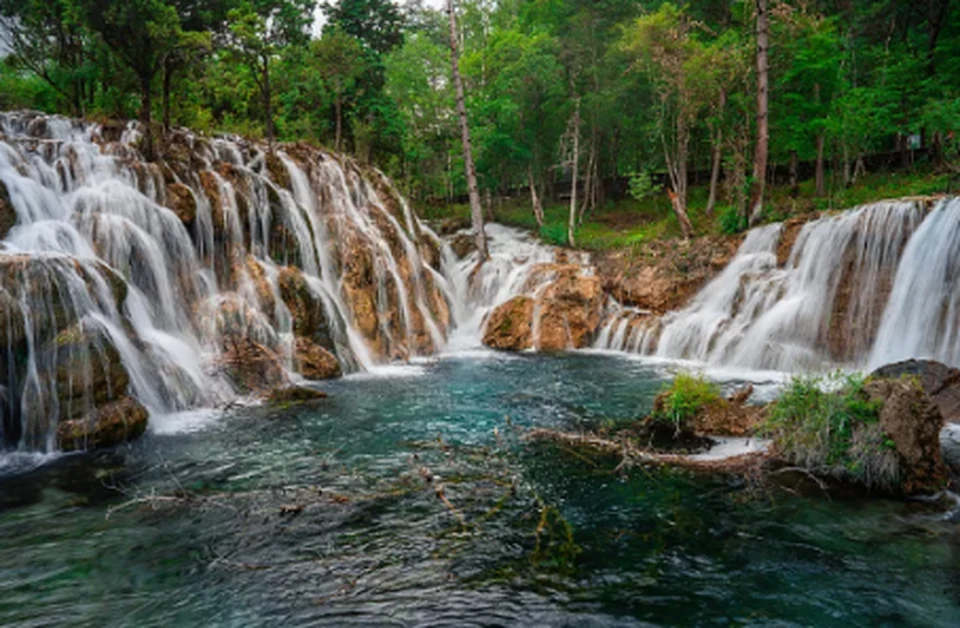
The best time to visit Sichuan and Chongqing is not a single month. It depends on whether your journey is built around Chengdu’s relaxed city rhythm, Chongqing’s dramatic river skyline, panda experiences, Jiuzhaigou’s colour, Huanglong’s travertine pools, or the high grasslands and Tibetan areas of western Sichuan. For many first-time travellers, April, May, September and October offer the easiest balance of scenery, weather and route reliability. That said, each season has a different personality, and the right answer is usually the month that matches your priorities rather than the month that looks best on a generic climate chart.
Sichuan and Chongqing sit in a region where altitude changes quickly. A single trip can move from a humid river city to a cool mountain valley, then to a high plateau where nights are cold even in summer. Chengdu is lower, greener and softer in pace. Chongqing is warmer, steeper and more intense, especially around the rivers and hillside neighborhoods. Jiuzhaigou and Huanglong are mountain destinations with cooler temperatures and stronger seasonal colour. Daocheng Yading, Seda, Tagong, Danba and other western Sichuan routes sit higher still, so weather, road conditions and acclimatisation matter more than the calendar alone.
This guide compares the seasons by route so you can choose your dates. It avoids fixed promises about exact flowering dates, autumn colour peaks or opening rules, because those can shift with weather, maintenance, holidays and local notices. Use it as a planning framework, then confirm current conditions before locking flights, hotels and park entries.
Quick answer: the most flexible months
If you want one simple answer, choose spring or autumn. April and May are comfortable for Chengdu, pandas, Chongqing city touring and many classic Sichuan routes. The weather is usually mild enough for walking, photography and food exploration without the heavier heat of midsummer. Autumn, especially September and October, is often excellent for mountain scenery, clearer air and golden landscapes. For Jiuzhaigou and western Sichuan, autumn is the season many travellers dream about, although popularity means earlier planning is important.
June, July and August can still work very well, especially for families using school holidays or travellers who want greener landscapes and cooler mountain areas. The trade-off is heat and humidity in Chongqing and Chengdu, stronger domestic demand, and a greater need for flexible pacing. Winter can be rewarding for lower-cost travel, snow scenery, hot pot, hot springs and quieter city exploration, but it is not ideal for every plateau route. Some highland areas can be cold, icy or less convenient, so winter itineraries need more conservative design.
Spring: March to May
Spring is one of the easiest seasons for a mixed Sichuan and Chongqing journey. Chengdu parks become greener, tea houses feel lively, and city walking becomes more pleasant. Chongqing’s steep streets, river viewpoints and old neighborhoods are also easier to enjoy before the deep summer heat arrives. For first-time visitors who want pandas, food, city culture and a moderate amount of mountain scenery, spring is often a smart choice.
March can still be variable. Lower cities may already feel fresh and mild, while higher areas remain colder. If your itinerary includes Jiuzhaigou, Huanglong or western Sichuan, you should pack layers and allow room for changes. Roads and scenic areas generally become more predictable as spring progresses, but mountain weather still deserves respect. April and May usually offer the best spring balance, with more comfortable temperatures and more route options.
Spring is also useful for travellers who dislike crowds but do not want a quiet off-season atmosphere. Domestic holidays can still create busy periods, particularly around popular attractions, but the overall season is easier to manage than peak summer holidays or the most famous autumn colour weeks. A private itinerary can use early starts, weekday visits and careful hotel choices to make the season feel relaxed.
Summer: June to August
Summer is lush, active and colourful, but it requires realistic pacing. Chengdu and Chongqing can be hot and humid, with Chongqing especially famous for intense summer heat. Sightseeing should be arranged around morning and evening hours where possible. Midday can be used for indoor museums, tea houses, river cruises, hotel rest, transfers or meals rather than exposed walking on steep streets.
The benefit of summer is that mountain destinations can feel refreshing compared with the cities. Jiuzhaigou, Huanglong, Mount Siguniang and many western Sichuan areas are cooler than the lowlands. Green valleys, full water flow and active local life can make summer trips visually rich. Families often travel in this season because of school holidays, so it is important to book earlier and choose realistic routes rather than trying to cover too much ground.
Rain is another planning factor. Rain does not ruin a trip, but it changes how the itinerary should be built. Mountain roads, long transfers and outdoor walks need buffers. Photographers should be patient because clouds may hide peaks at one moment and reveal beautiful light the next. A good summer plan avoids packing every day with non-refundable highlights, because the best experience often comes from flexibility.
Autumn: September to November
Autumn is the strongest all-round season for many Sichuan and Chongqing itineraries. Temperatures become more comfortable in the cities, mountain air often feels clearer, and the landscapes in Jiuzhaigou and western Sichuan move through some of their most beautiful colours. September can still feel summery in lower areas, but it is usually easier than July and August. October is very popular because of scenery, but it includes major domestic holiday demand, so planning early matters. November can be quieter and atmospheric, though some highland routes become colder.
For Jiuzhaigou, autumn is famous for layered colours, blue lakes and bright forest reflections. For western Sichuan, autumn can bring golden poplars, grassland tones and more dramatic mountain views. For Chongqing, the season is also attractive because hillside walking, night views and riverfront experiences are more comfortable. If your dream trip is photography-heavy, autumn deserves serious consideration.
The main challenge is competition for rooms, guides, vehicles and scenic-area access in the best-known weeks. International travellers sometimes underestimate how strong domestic demand can be around famous Chinese scenic areas. A private tour operator can help by checking the sequence against local traffic and opening times, choosing less obvious overnight stops, and avoiding the most congested movements where possible.
Winter: December to February
Winter is underrated for the right traveller. Chengdu remains a good food and culture city, with hot pot, tea houses, markets, museums and panda experiences that do not depend on summer warmth. Chongqing’s night views can feel cinematic in winter mist, and the city’s spicy food culture makes the season feel natural. Prices and crowds can be friendlier outside major holiday periods.
Mountain routes require more caution. Snow, ice, shorter daylight and colder nights affect high-altitude travel. Some routes may still be possible and beautiful, but winter should not be treated as a simple copy of a summer itinerary. Travellers who want snow scenery, quiet roads and a slower pace can enjoy winter, while travellers who want maximum route access and long outdoor walks may prefer spring or autumn.
Chinese New Year can change the whole travel environment. Some places become lively and festive; others become more difficult to book or less predictable. If your travel dates fall around the holiday, plan earlier, expect domestic movement, and choose an itinerary that uses the season as part of the experience rather than fighting it.
Choosing dates by travel goal
If your priority is pandas, you can visit Chengdu throughout the year, but cooler mornings are usually more comfortable for both visitors and animal activity. Spring, autumn and winter mornings can be especially pleasant. Summer visits should be early, because heat and crowds build quickly. The panda base experience is often better when it is treated as a half-day with an early start, not a rushed stop between long drives.
If your priority is Chongqing city, avoid building the trip around long midday walks in summer. Spring and autumn are best for hillside exploration, river viewpoints, Dazu or Wulong extensions, food tours and photography. Winter also works for travellers who enjoy atmosphere and do not mind cooler, damp weather. Chongqing is a city of stairs, bridges and layers, so comfort matters more than many visitors expect.
If your priority is Jiuzhaigou, autumn offers the most famous colour, spring offers freshness, summer offers green landscapes and stronger water, and winter offers quieter beauty. The best season depends on whether you value colour, access, fewer crowds or family travel dates. It is wise to give Jiuzhaigou enough time rather than treating it as a quick side trip. The transfer itself is part of the planning equation.
If your priority is western Sichuan, altitude and road time become the first questions. Late spring to autumn is usually easier for many highland routes, but exact conditions vary. Travellers should build in acclimatisation, avoid rushing from low cities to very high overnight stops, and prepare for cold nights even when the calendar says summer.
How many days work best in each season?
For a city-focused spring or autumn visit, five to seven days can cover Chengdu and Chongqing comfortably. Add Jiuzhaigou and you should usually think in terms of seven to ten days, depending on transport choices and your desired pace. Add western Sichuan and the trip becomes more satisfying at ten to fourteen days, especially if you want to reduce altitude stress and avoid spending every day in a vehicle.
In summer, slow down. Heat, rain and crowds make aggressive itineraries less enjoyable. In winter, also slow down if you are entering mountain areas, because road conditions and daylight may require conservative timing. A strong itinerary is not the one with the most place names. It is the one where each day still feels human.
Packing by season
Layering is the golden rule. For spring and autumn, carry a light jacket, comfortable walking shoes, rain protection and a warmer layer if you will enter mountain areas. For summer, add sun protection, breathable clothing and patience for heat in the cities. For winter, bring warmer layers, especially if your itinerary includes Jiuzhaigou, Huanglong or the plateau. Even in warm months, highland evenings can surprise travellers who packed only for Chengdu or Chongqing.
Do not overpack formal clothing. Sichuan and Chongqing travel is active. You will walk, climb stairs, enter parks, sit in vehicles, eat in casual restaurants and move through stations or airports. Comfortable shoes matter more than an extra outfit. For photographers, a small cloth for mist or rain, spare batteries and a flexible mindset are more useful than chasing perfect weather.
Seasonal planning mistakes to avoid
The first mistake is assuming Chengdu, Chongqing, Jiuzhaigou and western Sichuan share the same weather. They do not. The second mistake is choosing autumn colour dates too late and expecting last-minute availability. The third mistake is visiting Chongqing in summer with a walking-heavy plan that ignores heat. The fourth mistake is building a high-altitude route without acclimatisation. The fifth mistake is treating online photos as a guarantee of exact conditions. Nature is not a fixed product.
A better method is to define your main reason for travelling first. Are you coming for pandas, food, mountain lakes, Tibetan culture, autumn photography, family travel or a professional inspection trip? Once the main reason is clear, the best month becomes easier to choose.
Recommended seasonal route ideas
For spring, consider Chengdu, Dujiangyan, pandas, Leshan or Mount Emei, then Chongqing for night views and food. This gives a balanced first visit with manageable weather. For summer, combine city time with cooler mountain segments, but avoid too many consecutive long drives. For autumn, focus on Jiuzhaigou, Huanglong or western Sichuan if scenery is the priority, and book early. For winter, build a lower-altitude cultural and food itinerary, adding mountain snow scenery only when conditions and traveller comfort allow.
If you are working with a travel advisor or arranging a private trip, ask the local planner to explain the seasonal trade-offs clearly. A good planner should not sell every month as perfect. They should help you choose the best compromise for your dates, budget, comfort level and travel style.
FAQ
What is the single best month for Sichuan and Chongqing?
For a first-time mixed trip, October is often attractive because of weather and scenery, but it can also be busy. May and September are excellent alternatives for many travellers. If you are crowd-sensitive, avoid major public holiday periods and consider shoulder weeks.
Is summer too hot for Chongqing?
Summer can be very hot and humid, but it is still possible with the right pacing. Plan outdoor sightseeing early or late, use indoor breaks, and avoid designing every day around long stair-heavy walks. If you dislike heat, spring or autumn will feel better.
When is Jiuzhaigou most beautiful?
Jiuzhaigou is beautiful in different ways throughout the year. Autumn is famous for colour, summer for green scenery and water, winter for quiet snow atmosphere, and spring for freshness. The best choice depends on your tolerance for crowds, cold and route timing.
Can I combine Chongqing, Chengdu and western Sichuan in one trip?
Yes, but give the trip enough days. Western Sichuan adds altitude and driving time, so it should not be squeezed into a short city break. Ten to fourteen days is often more comfortable than trying to force everything into one week.
The best season is ultimately the one that lets the itinerary breathe. Choose dates that match your main interests, plan around altitude and domestic demand, and keep enough flexibility for mountain weather. Sichuan and Chongqing reward travellers who do not rush them.